Social interactions in Dictyostelium
The evolution of cooperation is key to understanding the transition from single-celled organisms to multicellular organisms and complex societies
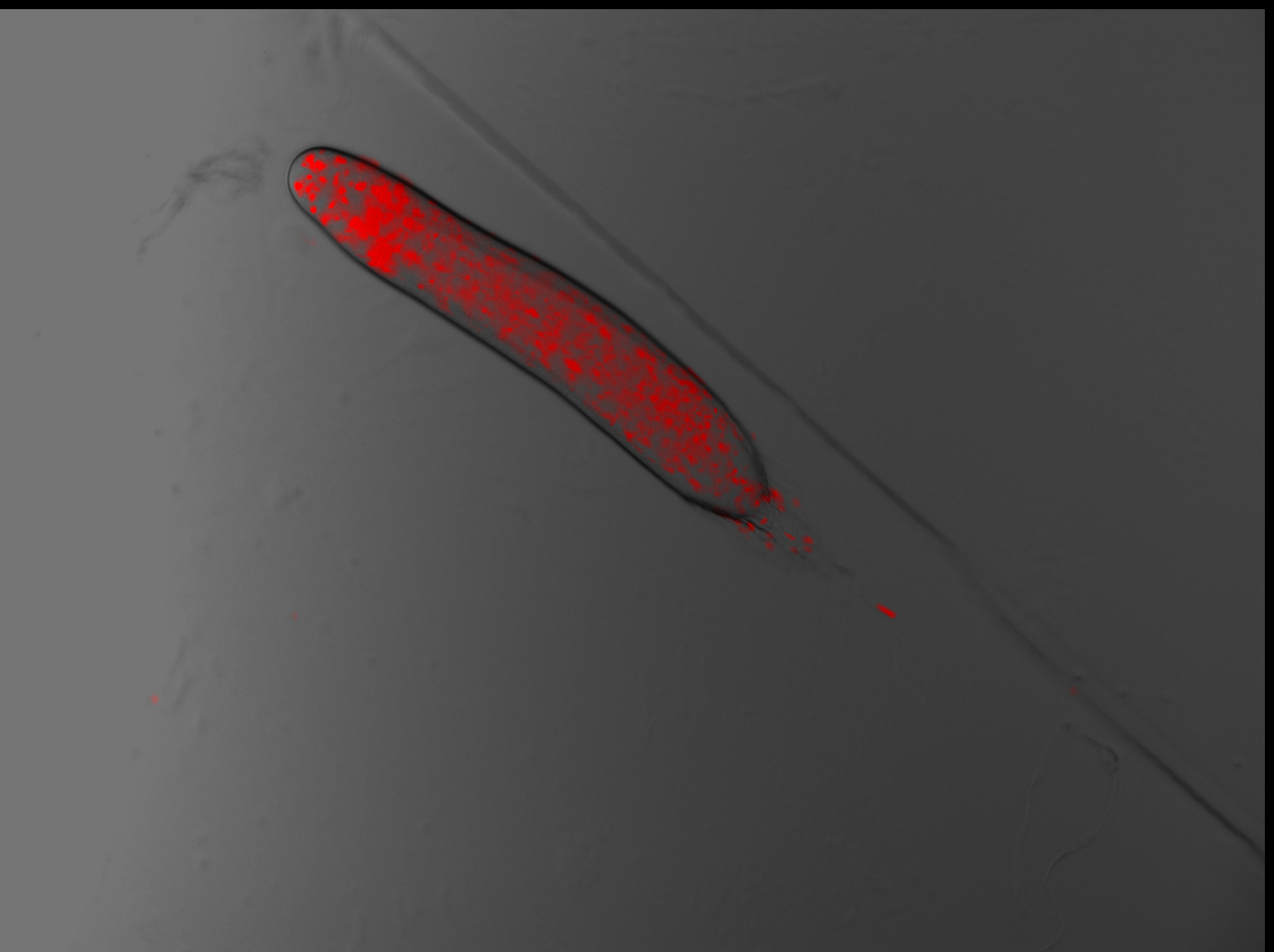
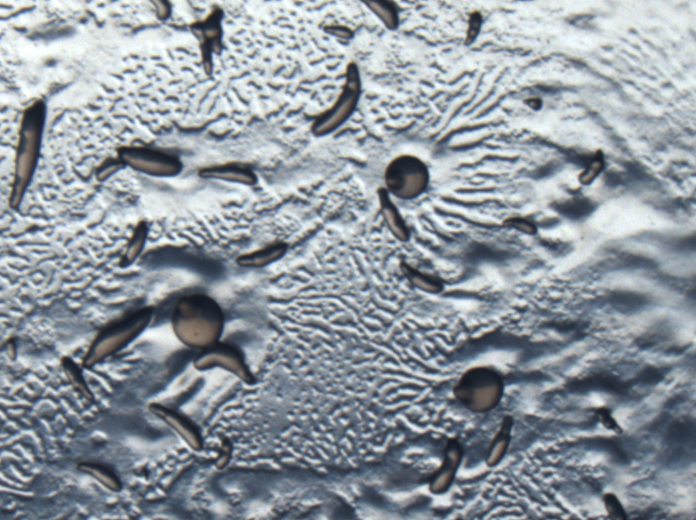
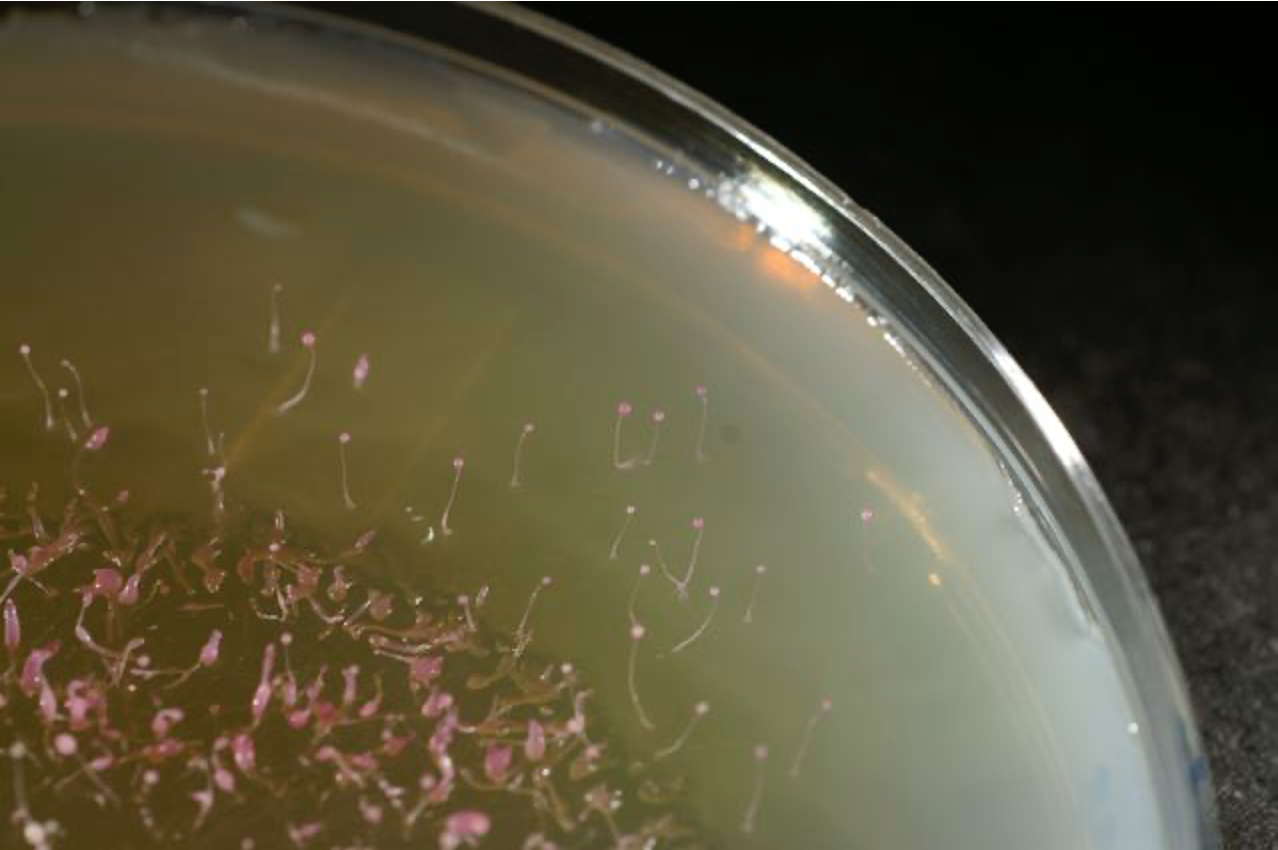
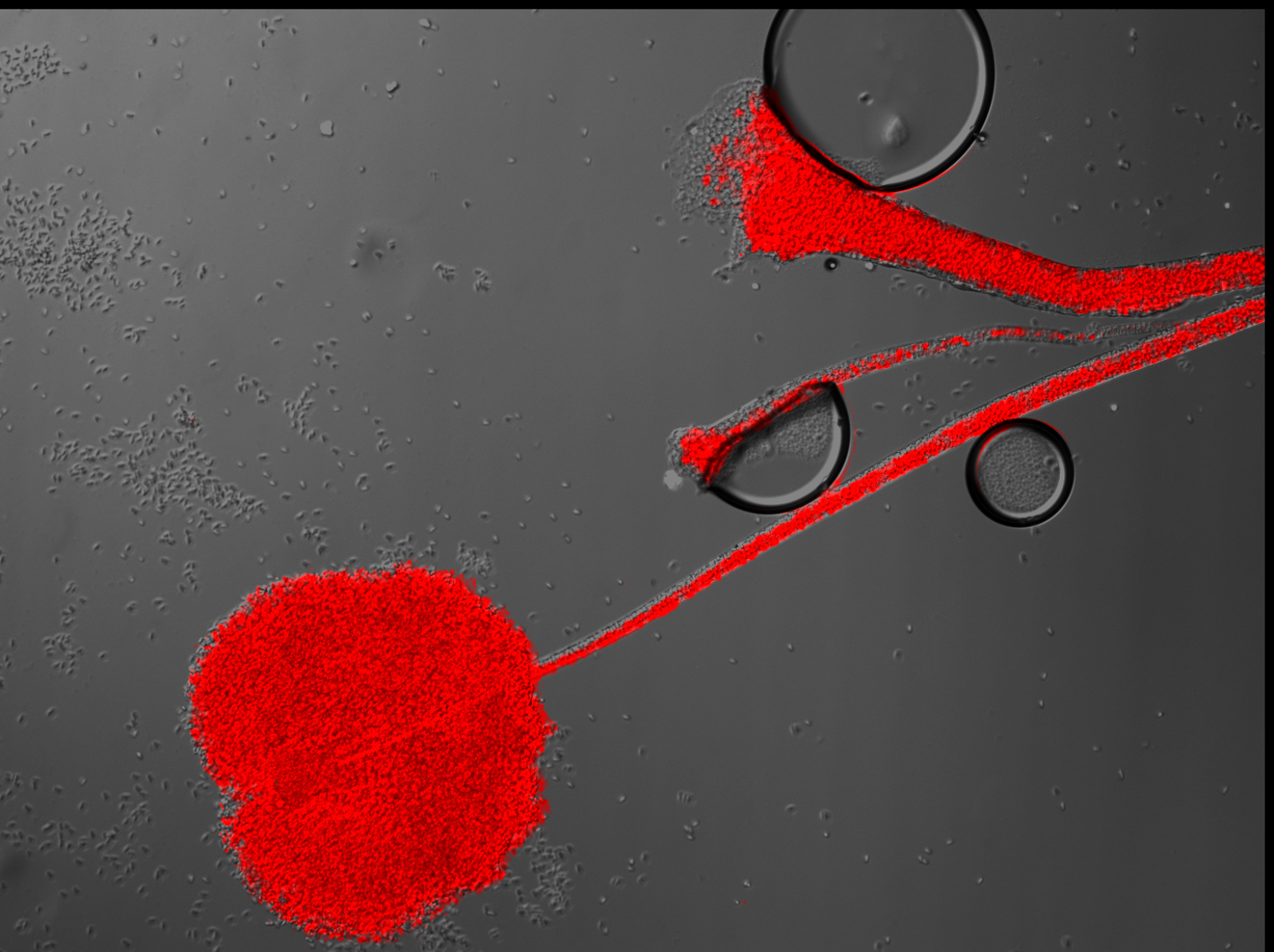
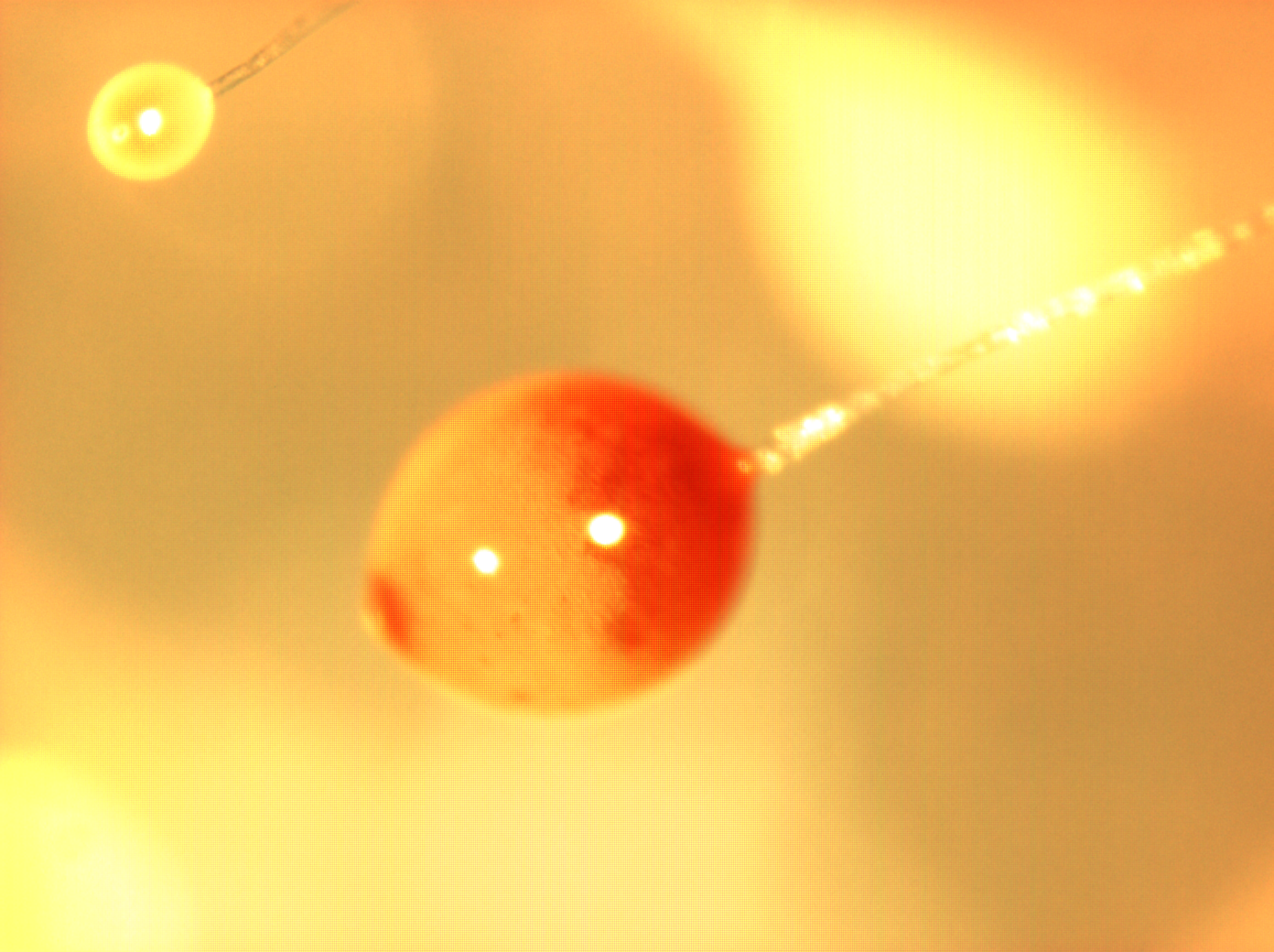
For my PhD, I studied the impact of cooperation and conflict on the fitness of the cellular slime mold, Dictyostelium in the Strassmann/Queller lab. Unlike metazoans that go through a single-cell bottleneck at the zygote stage, Dictyostelium forms a metazoan-like aggregate that may be made up of several genotypes, thus providing an arena for competition, conflict, and manipulation between clones of varying degrees of relatedness. My graduate research provided a greater understanding of how kin competition and microbial cooperation may have evolved and remained stable.
Take home points:
-
By selectively aggregating with kin, Dictyostelium reduce conflict and increase their fitness (Mehdiabadi, Jack et al 2005).
-
Founder effects and genetic drift can passively increase and maintain relatedness without relying on a more active mechanism such as kin recognition (Buttery, Jack et al 2012)
-
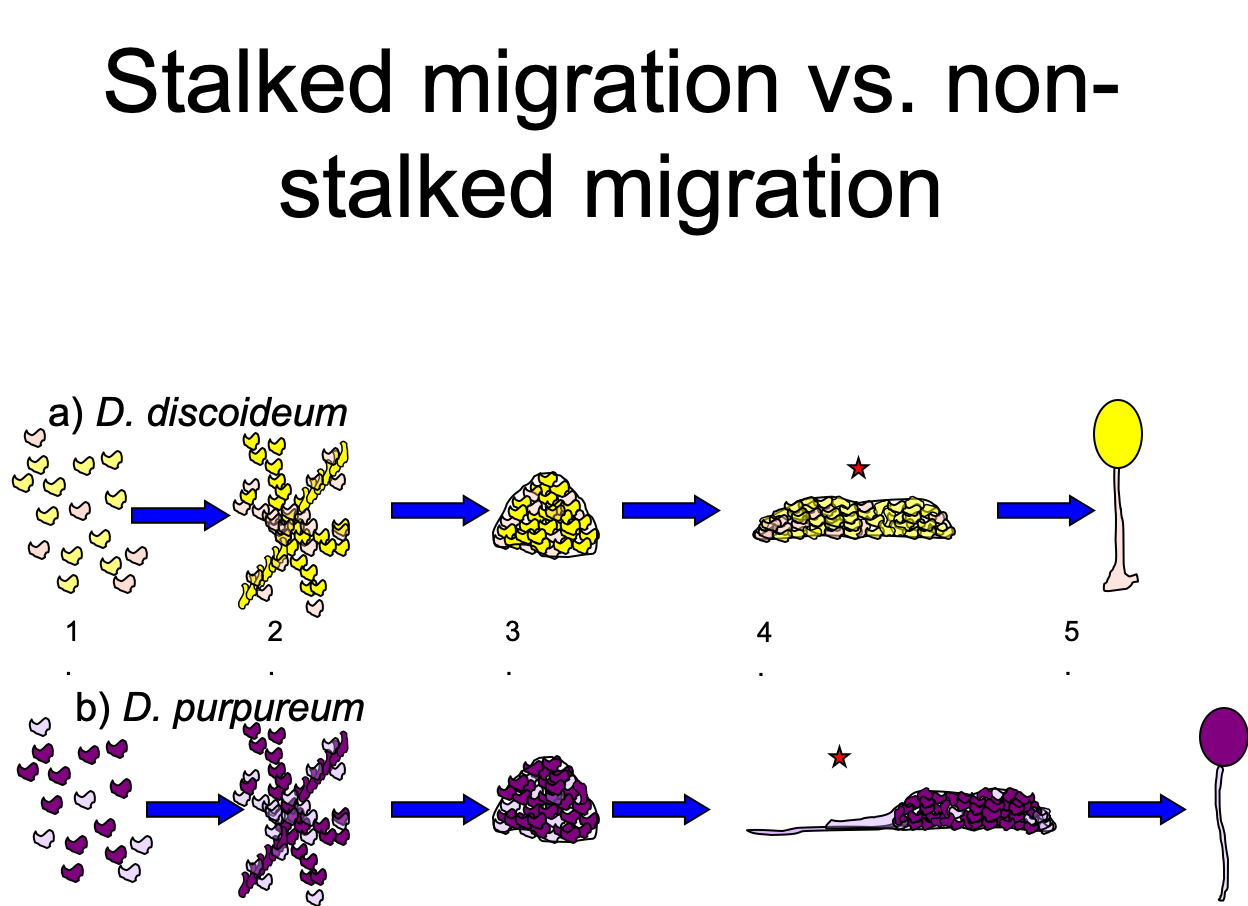
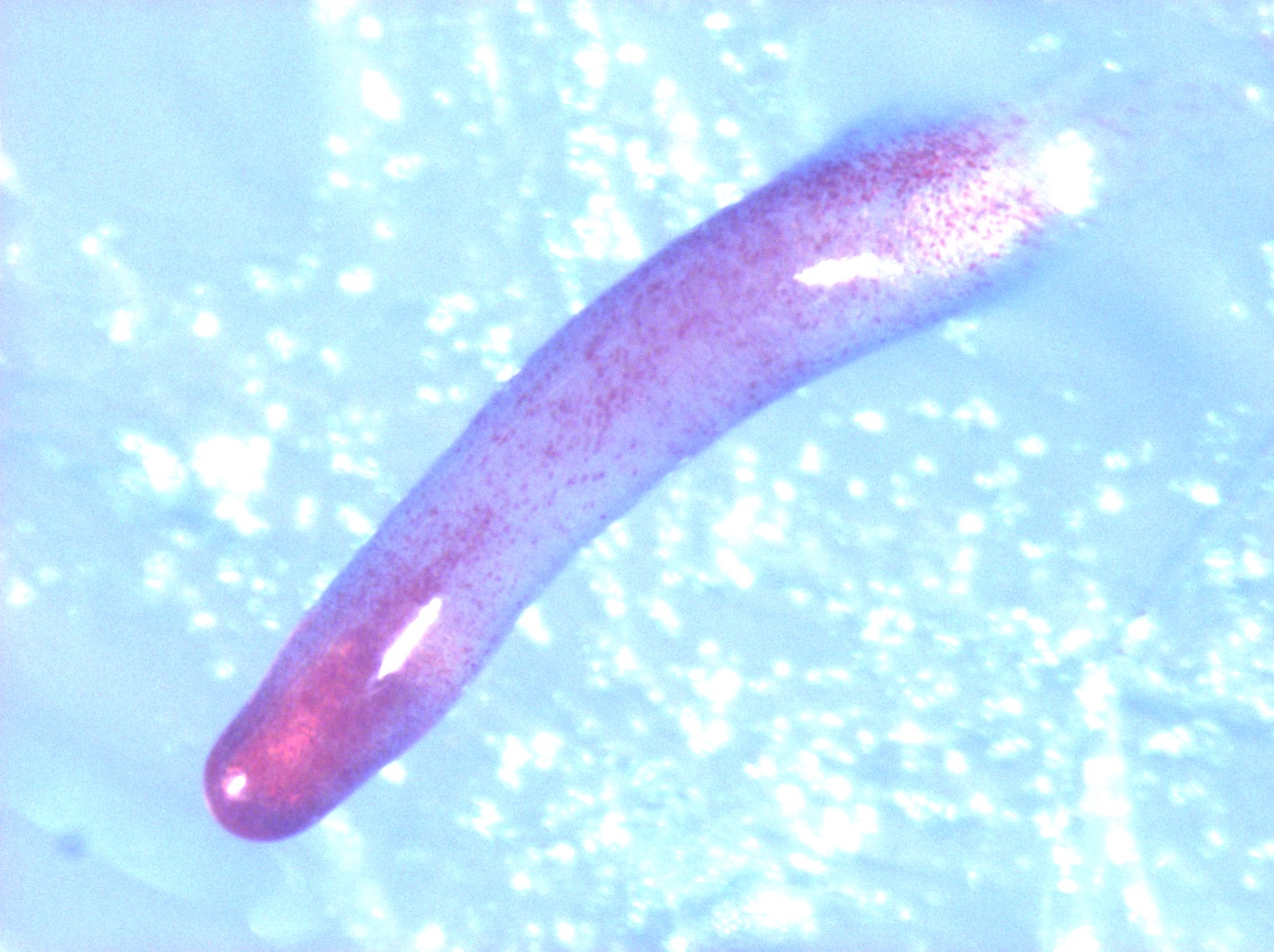
Clonal slugs travel further than heterogeneous slugs, indicating that intraspecific competition decreases overall group fitness. Migration alleviated conflicts of interest, leading to a decrease in facultative cheating in heterogeneous slugs I found that (Jack et al 2015)
-
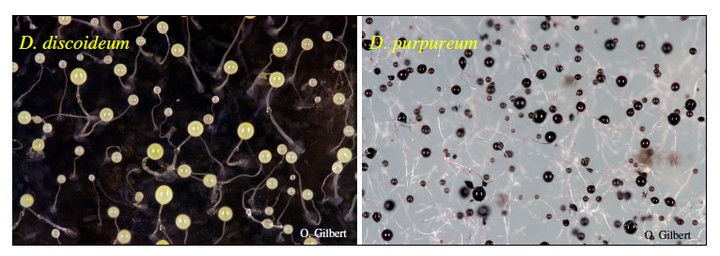
Two of the most closely related species, D. discoideum and D. purpureum, may inadvertently find themselves in the same initial aggregate, but incompatibilities due to differences in the timing of cell specialization can cause almost total segregation during early slug formation (Jack et al 2011 )
-
Cells that remain in the mixed aggregates form heterospecific slugs that allow them to traverse greater distances over smaller conspecific slugs, which is advantageous, but are at a fitness disadvantage compared to conspecific slugs of the same size (Jack et al 2008 ).